

Different Ways to Use Toner for Clear, Glowing Skin
Toner is a versatile facial toner you can apply toner with a cotton pad or cotton pads to hydrate your face using hyaluronic acid and other hydrating ingredients.
Whether your skin type or skin types are oily skin, dry skin, or sensitive skin, you can add toners into your skincare routine and regimen before moisturizers for refreshed skin and body care.
Many skincare product pages and beauty brands let you shop products, compare price and shipping, view offer, gift or gift cards, terms, rights reserved and where items are found or used.
Moisturize Your Skin After Washing Your Face
After you rinse, pat your face gently and apply toner while your skin is still slightly damp—use a cotton pad or pour a few drops into your palms to apply toner directly to your skin.
Layer a serum with hyaluronic acid next if you use one, then follow immediately with a moisturizer; using 1–2 pumps for your face locks hydrating ingredients in and reduces water loss. Match the texture to your skin type: gel lotions for oily skin, richer creams for dry skin, and fragrance-free options if you have sensitive skin.
For a complete skincare routine include both facial and body care steps: apply lightweight moisturizers to the face and richer products for areas prone to dryness on the body. When shopping for this skincare product check price, ingredients and shop policies—many brands offer gift cards, seasonal offers and shipping bundles—so you can stock your routine without surprises and see where each product was found or used in reviews.
Importance of Hydration
Hydration keeps the skin barrier functioning, reduces flakiness and can visibly soften fine lines; hyaluronic acid, a humectant that can hold up to 1,000 times its weight in water, is one of the most effective hydrating ingredients used in serums and moisturizers.
In practical terms, combining humectants (like hyaluronic acid and glycerin), emollients (squalane, ceramides) and occlusives (a light petrolatum or dimethicone) addresses skin types across the board—oily skin still needs hydration but benefits from non-comedogenic, oil-free formulas, while dry skin often responds best to layered creams.
Keeping a consistent routine helps: apply toner, then serum and moisturizer each morning and night to maintain hydration levels and support your beauty regimen. If you have sensitive skin, patch-test new toners or moisturizers on a small area for 24–48 hours to see how your skin reacts before using on the full face, and note any ingredient you find irritating in the product terms or ingredients list.
Best Practices
Apply toner with cotton pads if you prefer exfoliating toners, but use your hands for hydrating toners to avoid product waste from cotton pads absorbing liquids.
After apply toner and any serums, press moisturizer into the skin using upward motions; on average 1–2 pumps covers the face and neck, and you can extend to body care with a dime-to-quarter sized amount per limb depending on dryness. For oily skin choose oil-free or gel moisturizers, while dry skin benefits from creams containing ceramides and hyaluronic acid.
Check labels for hydrating ingredients and avoid unnecessary fragrances if you have sensitive skin; also review shop policies like price, shipping and offers before you buy and consider gift cards if you’re stocking up or buying for others. Some product pages even have a “rights reserved” notice at the bottom—use that and customer reviews to confirm where each product was found and how it was used in other users’ regimens.
If you layer products, apply them from thinnest to thickest consistency and try to seal in moisture within 60 seconds of cleansing to maximize absorption; when you apply toner, serum and moisturizer in that order you create an effective barrier that keeps hydrating ingredients working all day and night.
Use Toner to Create Hydrating Toner Pads
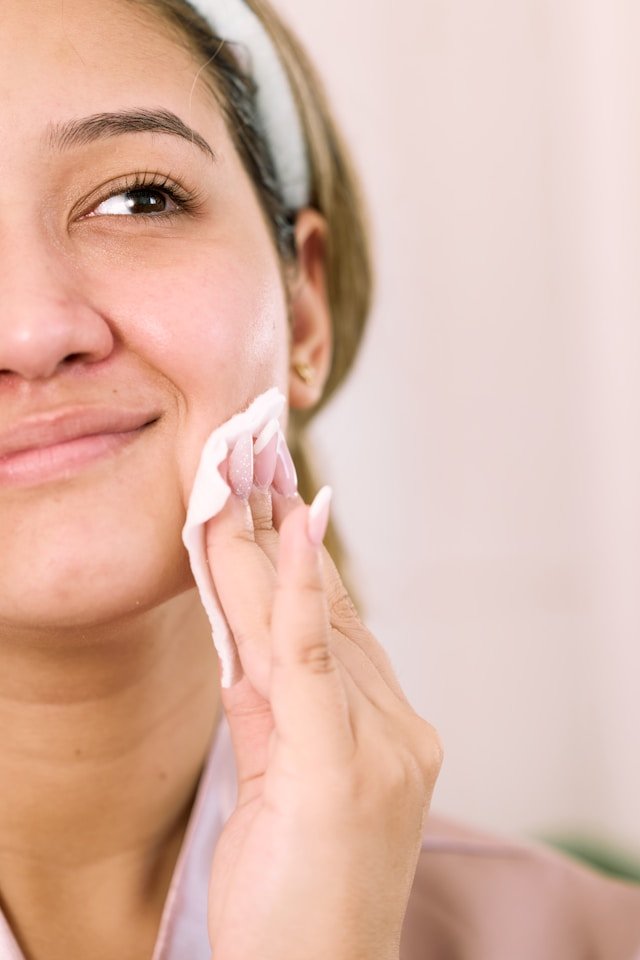
DIY Toner Pads
You can make hydrating cotton pads by diluting a gentle facial toner with distilled water or floral water and adding a small boost of hyaluronic acid (aim for 0.5–1% in the final mix) and 1–2% glycerin or panthenol as hydrating ingredients.
Use an airtight jar and stack 20–30 cotton pads; each pad soaks up roughly 3–4 ml, so a 100 ml batch will prep about 25–30 pads. Pick alcohol-free, fragrance-free formulas for sensitive skin and tailor the mix for your skin type — lightweight, niacinamide or BHA-containing toners for oily skin, and richer humectant blends for dry skin.
After soaking, store the cotton pads in the fridge for up to 10–14 days, or add a preservative if you plan to keep them longer; always test one pad on a small patch of skin first.
When you apply toner pads, gently press and sweep across your face and neck, then follow with moisturizers within 60 seconds to lock in hydration. You can also use the same pads for body care on décolletage or hands, turning one inexpensive skincare product into a multi-use beauty regimen item.
Benefits for On-the-Go
Pre-soaked toner pads are ideal for travel and busy days: pack 8–12 pads in a small sealed tin (well under typical liquid limits) to refresh your face after the gym or a long flight, remove makeup quickly, or calm redness on-the-go.
They cut down on carrying multiple products, reduce waste compared with single-use wipes, and often cost less — making DIY pads a smart option if you sell or gift them at a shop or through a small online store where price and shipping terms matter.
For more info, choose toner formulas matched to different skin types — a milder, fragrance-free toner for sensitive skin, a lightly astringent or niacinamide blend for oily skin, and hyaluronic acid–rich solutions for dry skin — and label jars clearly (include product ingredients and any “rights reserved” branding if you sell sets).
Many people find using 1–2 pads per application in their skincare routine helps maintain fresh, hydrated skin throughout the day, and you can pair these pads with your usual moisturizers and other products in your beauty regimen; if you plan to offer them as a gift or sell them with gift cards, account for package price and shipping in your terms.
Use Toner as a Facial Mist
Refreshing Your Skin
When you need a quick pick-me-up, spritz your facial toner 2–3 times from about 20–30 cm away to mist the entire face; this is faster than using a cotton pad and keeps hydrating ingredients like hyaluronic acid working on the surface.
If your skin type leans toward dry skin, use a hyaluronic acid–forward toner to boost moisture before you apply moisturizers, and if you have oily skin choose a lightweight, alcohol-free formula so the mist balances oil without feeling heavy.
For targeted care, you can still pulse a dampened cotton pad over T-zone congestion or zones that need extra exfoliation after cleansing.
After workouts or during travel, you’ll find the mist helps reset your skincare routine without wiping away serums you’ve already used—spritz before makeup or between skincare steps to layer hydration into your beauty regimen.
Try combining 3–4 spritzes with a gentle pat using a cotton pad for better absorption on specific spots, and include the toner as part of a twice-daily or as-needed regimen depending on how your sensitive skin reacts to new products.
Ideal for Different Weather
In dry climates or heated indoor environments (below about 30% humidity), a toner with hyaluronic acid can attract and hold moisture so your face and body care routine doesn’t dry out; spray every 3–4 hours or whenever your skin feels tight.
Conversely, in humid weather choose a lighter facial toner with balancing botanicals to prevent excess oil on oily skin while still delivering hydrating ingredients to dry patches—this helps all skin types stay comfortable without overloading pores.
For practical planning, check product labels and shop terms before you buy: price, shipping, available gift cards or gift shop bundles often affect which toners you try first, and many brands list recommended spritz frequency or ingredient concentrations in their product descriptions.
If you’re comparing options, look for formulas used in clinical trials or reviews that match your skin type, and note that some brands reserve sample offers or limited releases—rights reserved—so availability can vary.
Mix Toner with Moisturizer to Dilute It
Balancing Stronger Formulas
If your facial toner contains potent actives or a higher alcohol content, start by mixing one part toner with one part moisturizer to soften the effect; for sensitive skin try moving toward a 1:2 or 1:3 ratio (one part toner to two or three parts moisturizer) so you can still apply toner benefits without irritation.
For oily skin you might prefer a 1:1 mix using a lightweight, oil-free moisturizer, while dry skin responds better to blends with hyaluronic acid or richer moisturizers to lock in hydration; always patch-test the combo and note how your skin type reacts over 48–72 hours.
Apply the diluted mix with your fingertips for better absorption, or soak a cotton pad for targeted use on congested areas, rather than saturating cotton pads across your entire face every time. Incorporate this into your skincare routine 2–3 times the first week, then adjust frequency as tolerated — many people find mixing reduces redness and stinging from toners while keeping exfoliation or balancing effects when used regularly in a morning or evening regimen.
Enhanced Moisture Retention
Mixing toner into moisturizers lets hydrating ingredients like hyaluronic acid and glycerin spread more evenly across the face, dramatically improving moisture retention; hyaluronic acid can hold up to 1,000 times its weight in water, so pairing a hyaluronic-containing moisturizer with a mild toner boosts plumping and barrier support.
For a practical example, combine a gentle, alcohol-free toner with a hyaluronic acid serum or moisturizer and apply to damp skin to trap hydration — doing this after cleansing helps your skin retain more water throughout the day.
Use this technique not just for face care but for targeted body care too: dilute a balancing toner into an unscented body lotion for rough patches found on elbows or knees, or add a small amount to hand cream during dry seasons.
When buying products to mix, check the shop for price, shipping, product descriptions and offer terms; some brands even sell travel sets or gift cards if you want to try different toners and moisturizers before committing.
More information: if a toner lists active percentages (for example 2–5% lactic or glycolic acid), err on the side of dilution — a 1:3 mix is often used by those with dry skin or highly reactive skin types — and avoid using multiple strong actives in the same routine.
You can also alternate diluted-toner days with a hydration-focused routine, keep cotton pads and clean hands on hand, and consult product pages for ingredients so you know what’s being used in your beauty regimen; product returns, warranty or rights reserved terms are usually spelled out in the store’s terms and conditions.
Apply Toner before Body Lotion
When you apply toner before body lotion, you create a hydrated base that helps lotions penetrate instead of sitting on the surface. Choose a toner with humectants like hyaluronic acid—this molecule can bind up to 1,000 times its weight in water—so a light spray or a swipe with a cotton pad increases moisture retention and primes both face and body skin for your next step. For best results, use a facial toner on delicate areas and a skin toner formulated for body care on thicker zones.
Pick alcohol-free formulas if you have sensitive skin and match toners to your skin type: lighter, water-based toners for oily skin and richer, hydrating ingredients for dry skin.
Check the shop for trial sizes to test price and shipping options before you commit; some brands even offer gift cards or starter sets. Always read product terms and packaging—rights reserved statements and ingredient lists can help you avoid irritants and build a consistent skincare routine.
Targeting Rough, Dry Areas
Focus on elbows, knees, heels and the outer forearms where skin tends to be thickest and dryer; exfoliate those spots 1–2 times weekly, then apply toner directly with a cotton pad to remove residual dust and boost hydration.
For very rough patches, pat toner onto the area and let it absorb for 30–60 seconds before you apply a richer moisturizer or body lotion—this sequence helps active ingredients penetrate rather than be blocked by dead skin.
If you have dry skin, look for toners and toners-with-ceramides that complement the ingredients in the moisturizers you already use; oily skin types can still benefit by choosing lightweight, non-comedogenic toners. Sensitive skin warrants fragrance-free formulas and a patch test: apply toner to a small area to see how your regimen reacts before applying broadly.
Maximizing Lotion Benefits
Layering is everything: after you apply toner, follow immediately with your lotion while skin is still damp—ideally within 60 seconds—to lock in hydration. Use a gentle patting motion rather than rubbing to avoid disturbing the hydrated layer; for arms and legs, 2–3 pumps of lotion per limb is a practical starting point so you don’t over- or under-apply.
Adjust formulas by skin types—light gels for oily skin, richer creams and ointments for dry skin—and incorporate hyaluronic acid or glycerin toners to boost the effect.
Pay attention to ingredients compatibility: if your toner contains hyaluronic acid, pair it with moisturizers that include occlusives like dimethicone, shea butter, or ceramides to seal in water.
You can also use cotton pads for targeted application on small rough spots and hands for broader coverage; many people find cotton pads more precise, while cotton pads used damp help spread product evenly.
To refine your beauty regimen, track what products you used and how your skin responded over 2–4 weeks; swap a toner or moisturizer based on results and consult product descriptions in the shop for full ingredient lists, price comparisons, and shipping or return terms if a product doesn’t fit your routine.
Toner for Exfoliation and Brightening
Chemical Exfoliants in Toner
Glycolic, lactic and salicylic acids are the backbone of chemical-exfoliant toners: glycolic acid at 5–10% smooths surface texture, lactic acid at 5–12% gently resurfaces while helping dry skin retain moisture, and salicylic acid at 0.5–2% penetrates pores to help oily skin.
If you have sensitive skin, look for PHAs (gluconolactone) or lower-percentage AHAs; those are found in many facial toner formulations aimed at skin types that react to stronger actives. When you apply toner, decide whether to sweep with a cotton pad for targeted exfoliation or press with your palms to avoid over-sensitizing delicate areas.
Practical use matters: start with 1–3 times per week for higher-strength toners and build up as your skin tolerates it. After exfoliating toners, follow with hydrating ingredients—hyaluronic acid and a good moisturizer—to rebuild the barrier; pairing a skin toner with humectant-rich moisturizers reduces dryness and irritation.
You’ll find chemical exfoliant toners used across skincare routines for both face and body care, but concentrations and frequency differ by skin type, so read product labels and product terms before you buy.
Glow-Enhancing Ingredients
Vitamin C variants (stabilized forms like sodium ascorbyl phosphate), niacinamide at 2–5%, azelaic acid and gentle enzymes (papain, bromelain) are common glow-enhancers in toners; each targets dullness differently.
For example, niacinamide helps even tone and regulate sebum in oily skin, while azelaic acid at topical 10% levels can reduce pigmentation—studies often show visible improvement in 4–8 weeks.
You can apply toner containing these actives in the morning or evening depending on formulation, then follow with hyaluronic acid and your usual moisturizers to lock in benefits.
Shopping for the right glow-focused toner means checking how the product is formulated for your skin type: dry skin benefits from added humectants and glycerin, sensitive skin should opt for fragrance-free, low-acid options, and oily skin can prioritize niacinamide or salicylic-containing toners.
When you shop, compare price, shipping and any offers—some retailers include gift cards or a gift with purchase—plus be aware of shipping times and rights reserved notes in the terms before checkout; similar glow ingredients are even found in body care products for broad hyperpigmentation concerns.
Digging deeper, stability and pH matter: vitamin C in high concentrations can be unstable in water-based toners, so look for stabilized derivatives or formulations that specify pH and packaging to protect actives.
You’ll often see lower percentages of vitamin C in toners than in serums, yet combined with niacinamide and hyaluronic acid these formulations can steadily improve radiance as part of your daily skincare routine and beauty regimen when used consistently and layered correctly after you apply toner.
Conclusion
Taking this into account, you can tailor your facial toner choice to your skin type and build a skincare routine that works for your skin types — whether you have oily skin, dry skin, or sensitive skin. As you experiment, track which ingredients and products are found to suit you and how long they are used so your skincare and beauty regimen stays effective and comfortable.
When you shop for a skincare product or products, compare price, shipping, offers, and terms so you get the best deal — some shops include gift cards or a gift with purchase as part of an offer.
Keep notes on how you apply toner and which toners fit your routine, pair them with suitable moisturizers and other hydrating ingredients, and if you’ve found a formula you like, use it consistently for healthier skin; rights reserved.