

Sheet Mask or Clay Mask: Which One Is Best for Your Skin?
Just weighing sheet masks versus clay masks helps you tailor your skincare routine: a sheet mask delivers serum such as hyaluronic acid to hydrate and calm sensitive skin, while clay masks and clay products draw out excess oil from oily skin and balance oily areas; from a practical view consider ingredients, your skin type and the different benefits each mask offers so you can pick the best face care products for your skin.
Understanding Different Skin Types
You’ll want to match sheet masks and clay masks to your skin type for the best results: clay masks absorb excess oil and impurities, while sheet masks deliver serums like hyaluronic acid for hydration without adding oil. Assess pore size, shine, and reactivity to pick products that fit your skincare routine. Use patch tests and check ingredients lists to avoid irritants, and limit strong clay treatments to 1–2 times weekly. This
| Normal | Balanced oil, minimal sensitivity — mild sheet masks with hydrating serum are ideal. |
| Oily | Visible shine, larger pores — clay masks absorb excess oil; alternate with lightweight sheet masks. |
| Dry | Flaky, tight feeling — hydrating sheet masks with hyaluronic acid boost moisture; avoid drying clays. |
| Combination | Oily T-zone, dry cheeks — use clay on oily areas and sheet masks for overall hydration. |
| Sensitive | Redness, stinging — fragrance-free sheet masks with calming serum beat harsh clay products. |
- Check ingredient lists: avoid alcohol, fragrances, and harsh sulfates if your skin reacts easily.
- Patch test new masks on your jaw for 24–48 hours before full-face use to see how your skin responds.
- Rotate masks based on your skin’s needs: clay for oil control, sheet for hydration and targeted serums.
- Limit strong clay masks to once or twice weekly; use hydrating sheet masks 2–3 times a week or as needed.
- This helps you match masks to your skincare routine and the different needs of each facial area.
Oily Skin
If you have oily skin, you’ll notice shine, clogged pores, and sometimes acne; clay masks can reduce excess oil by absorbing sebum and loosening debris, often improving pore appearance after 1–2 treatments a week. Pair clay sessions with sheet masks containing hyaluronic acid or lightweight serums to maintain hydration without adding oily products, and choose non-comedogenic formulas to prevent new breakouts.
Sensitive Skin
When your skin is sensitive, you’ll want very gentle masks: opt for fragrance-free sheet masks with calming ingredients like panthenol or centella and serums designed to soothe rather than strip. Avoid strong astringent clays, high concentrations of necessary oils, or active acids that can trigger redness; start with once-weekly use and monitor reactions closely.
For more sensitive skin care, select masks labeled hypoallergenic and look for short wear times (10–15 minutes) to reduce risk; test products containing minimal, well-known actives and prioritize barrier-repairing ingredients like ceramides and hyaluronic acid. From a dermatologist’s view, rebuilding barrier function and reducing inflammation often improves tolerance to other masks, so begin slowly, track results, and keep your overall skincare routine simple and consistent.
The Benefits of Sheet Masks
Hydration and Nourishment
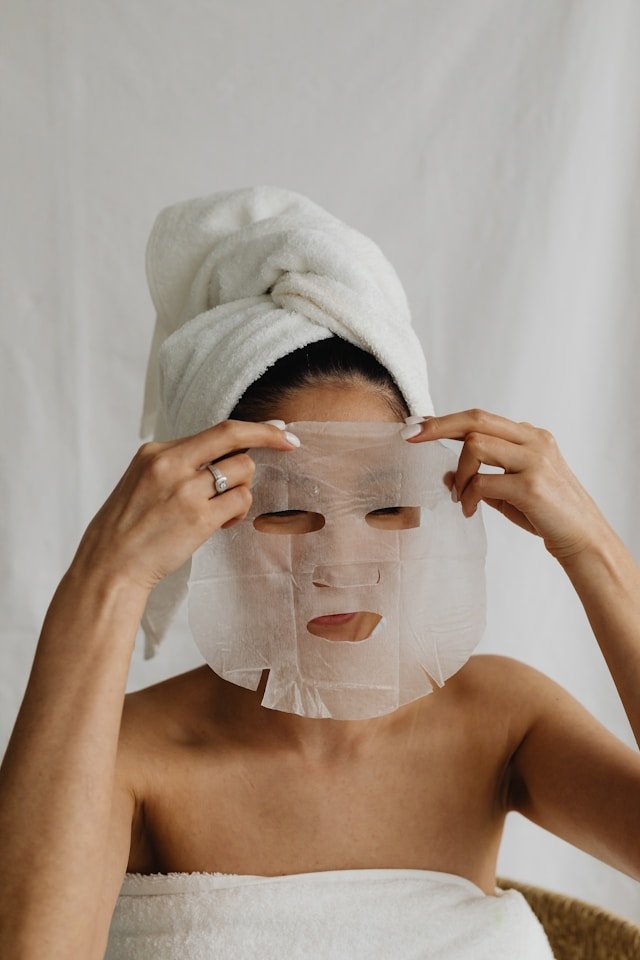
You get a concentrated serum boost—many sheet masks deliver 20–30 ml of active serum packed with hyaluronic acid (which can hold up to 1,000× its weight in water)—in a single 10–20 minute application. For oily skin, that hydration can reduce excess oil production; for sensitive skin, choose fragrance-free, soothing ingredients like panthenol or centella. Use them 1–3 times per week to support your skincare routine without adding heavy face products.
Convenience and Variety
You can apply a sheet mask anywhere—no rinsing, no mixing—so they fit into busy routines and travel easily. Brands offer masks targeted to different skin type concerns: lightweight hydrating serums for oily skin, niacinamide or vitamin C for brightening, and calming blends for sensitive skin. Typical sessions are 10–20 minutes, making them an efficient way to layer serum-level ingredients into your routine.
More specifically, sheet masks give you access to dozens of formulations and single-use experiments: brightening, pore-care, anti-redness, and overnight hydration. Many Korean and clinical brands release seasonal lines, and trying 2–3 different masks lets you quickly view which ingredients work—compare hyaluronic acid for moisture versus clay-based products that tackle excess oil when deciding what to keep in your regimen.
The Benefits of Clay Masks
Clay masks offer targeted benefits for different skin type needs, especially if you have oily skin or congested pores. They pull out excess oil, dirt, and product buildup from your face while providing mineral-rich care that sheet masks and serums don’t. You’ll find bentonite and kaolin in many formulations; used 1–2 times weekly, clay skincare can balance shine without stripping, then follow with a hyaluronic acid serum or hydrating sheet mask to restore moisture.
Controlling Excess Oil
If your skincare routine struggles with excess oil, clay masks act like a magnet for sebum, reducing surface shine and making makeup last longer. Dermatologists often recommend 1–2 clay treatments weekly for oily skin, and many users notice less oil for 24–48 hours after use. Pairing a clay mask with light, non-comedogenic products and a hyaluronic acid serum afterward prevents dryness and keeps your skin balanced without irritating sensitive skin.
Deep Cleaning Pores
Clay works on a microscopic level to draw out trapped oil, dead skin cells, and environmental pollutants that form blackheads and dullness; bentonite and kaolin are common ingredients known for this effect. In practice, you’ll see fewer visible clogged pores after several treatments, and clay masks complement exfoliation and cleansing steps in your routine to deepen pore cleansing without harsh scrubbing.
For more effective pore clearing, apply clay masks to freshly steamed or gently exfoliated skin so pores are open and debris is loosened. Use kaolin if you have sensitive skin and bentonite for very oily areas, limit use to 1–3 times weekly depending on how your skin responds, and always follow with a hydrating serum or sheet mask to rebalance moisture and support barrier care.
Key Ingredients to Look For
When you view ingredient lists for sheet masks or clay masks, focus on ingredients that match your skin type: hyaluronic acid for hydration, bentonite or kaolin for oily skin and excess oil control. You’ll want products that fit your skincare routine—daily or 2–3×/week for sheet masks, 1–2×/week for clay masks. Look at serum concentration, comedogenic risk for sensitive skin, and benefits each type offers to your face.
Hyaluronic Acid in Sheet Masks
Hyaluronic acid in sheet masks acts as a lightweight humectant, binding up to 1,000× its weight in water to plump and hydrate your skin without adding oil. Because topical products typically contain 0.1–2% HA, a good sheet mask serum can boost moisture for oily or dry skin types, support your skincare routine, and improve how other active ingredients absorb into your face.
Natural Clays in Clay Masks
Natural clays—like bentonite, kaolin, and French green—absorb excess oil and impurities from pores, so they’re especially useful if you have oily skin or congestion. Use clay masks 1–2 times per week as a targeted step in your skincare routine; bentonite offers the strongest oil control while kaolin is gentler for sensitive skin and regular care.
Mineral makeup of clays matters: bentonite is high in montmorillonite and swells when hydrated to pull sebum via cation exchange, while French green contains iron oxides and mineral debris that mildly tone and exfoliate. Particle size affects abrasiveness, so finest kaolin suits sensitive skin and different skin type needs. Apply clay masks 5–15 minutes, avoid full drying if you’re dry-prone, and patch-test new formulas before adding them to your face care lineup.
Choosing the Right Mask for Your Routine
If your skin type tends toward oily skin, use clay masks 1–2 times weekly to tackle excess oil; sheet masks work 2–3 times weekly as a hydrating boost thanks to hyaluronic acid and serum-rich essences. Try kaolin or bentonite clays on the T-zone and lightweight, fragrance-free sheet masks on dry cheeks. From a practical view, match masks to ingredients and the benefits you want so your skincare routine stays balanced and effective.
Skin Concerns
If you have oily, acne-prone skin, pick clay masks with kaolin or bentonite and 0.5–2% salicylic acid to reduce excess oil and unclog pores; use them 1–2 times weekly. For sensitive skin, choose gentle sheet masks with hyaluronic acid and minimal ingredients to avoid irritation. When your face flares, spot-test new products and alternate mask types so you treat different concerns without overstressing your skin.
Combining Masks
You can multi-mask to target different zones: apply clay masks to the oily T-zone for 8–10 minutes, then place a hydrating sheet mask on cheeks for 12–15 minutes to deliver serum and hyaluronic acid. Start with clean skin, avoid overlapping strong exfoliants and clays, and adjust timing based on how your skin reacts. Many who follow this approach see clearer pores and plumper cheeks within weeks.
You should rinse clay from oily areas before applying a sheet mask or lightweight serum so the hyaluronic acid can lock in moisture. Aim for clay masks 1–2 times weekly and sheet masks up to 3 times weekly, reducing frequency if you have sensitive skin. For example, try bentonite on the nose and a hyaluronic acid sheet mask on cheeks—users often report less shine and better hydration in about two weeks when you stick to this split routine.
How to Incorporate Masks into Your Skincare Routine
Fit sheet masks and clay masks into your skincare routine based on what your skin needs: use clay to draw out excess oil and clear pores, and sheet masks to boost hydration with hyaluronic acid and soothing ingredients. For oily skin, prioritize clay 1–2 times weekly; if you have sensitive skin, cut frequency and choose gentle formulas. Alternate masks around exfoliation days and always finish with a serum and moisturizer to lock in benefits.
Frequency of Use
If you have oily skin or see excess oil, use clay masks 1–2 times per week for 5–15 minutes; acne-prone skin can tolerate twice weekly but avoid daily clay. Sheet masks work well 2–4 times weekly or even daily for 10–20 minutes when you need extra hydration. Sensitive skin should stick to once weekly and patch-test new skin masks or products with active ingredients.
Layering with Serums
After a clay mask rinse and pat your face dry, apply a lightweight serum—niacinamide or hyaluronic acid works well—to replenish moisture without adding oily products. With sheet masks, you can either use them after toner to boost absorption or treat them as a leave-on serum boost and follow with a targeted serum afterward for the different benefits you want to amplify.
Practical examples: cleanse, clay mask 10–15 minutes, rinse, then apply 2–3 drops of hyaluronic acid serum on damp skin and finish with a gel moisturizer for oily skin; for a hydration day, tone, apply a sheet mask for 15–20 minutes, lightly press remaining essence into the face, then use a lightweight antioxidant serum if you want extra protection. Adjust based on skin type and ingredient sensitivity for best results.
To Wrap up
Presently you should choose based on your skin type: sheet masks deliver serum and hyaluronic acid to hydrate sensitive skin and boost your skincare routine, while clay masks and clay products pull excess oil from oily skin and pores. Look at ingredients and benefits of each type—sheet masks for soothing hydration, clay for deep cleansing—and view both as complementary masks in your skincare care for face, swapping them for different needs.