

Benefits of Adding Collagen to Smoothies Daily
Just adding a scoop of collagen to your daily smoothie boosts protein for muscle repair, supports skin elasticity and stronger nails and hair, and may ease joint discomfort while promoting gut health; it mixes easily, is typically flavorless, and helps you feel fuller longer, making it a simple, practical way to upgrade your nutrition and recovery without changing your routine.
What is Collagen?
Collagen is the body’s most abundant protein, making up about 30% of total protein, and it gives structure to your skin, bones, tendons and blood vessels. You’ll find hydrolyzed collagen powders dissolve easily into smoothies, supplying the amino acids your body uses to build and repair connective tissues.
The Basics of Collagen
Collagen is a triple‑helix protein rich in glycine, proline and hydroxyproline; production in your body declines roughly 1% per year after age 20. Many supplements provide hydrolyzed peptides so your digestive system can absorb them faster, and you can expect common servings of 2.5–10 g per day in studies.
Different Types of Collagen
Scientists have identified over 28 types, but types I–V are most relevant to everyday health; you’ll commonly see type I (skin, bone), type II (cartilage), type III (vessels, skin), type IV (basement membranes) and type V (hair, cell surfaces) listed on labels.
| Type I | Skin, bone, tendons — most abundant |
| Type II | Articular cartilage — joint health |
| Type III | Blood vessels, skin — often with Type I |
| Type IV | Basement membranes — filtration layers |
| Type V | Hair, placenta, cell surfaces — structural support |
In supplements, bovine sources usually supply types I and III, marine collagen is rich in type I, and chicken cartilage yields type II for joint support; clinical trials often use 2.5–10 g/day of hydrolyzed collagen and report improved skin elasticity in 6–12 weeks and reduced joint pain over similar timelines, so you can choose based on the outcome you want.
- Look for hydrolyzed peptides so your body can absorb amino acids efficiently.
- Match source to goal: marine for skin (type I), chicken cartilage for joints (type II).
- After you pick a type, check serving size and purity (5–10 g/day is common in studies).
Why Add Collagen to Your Smoothies?
Adding 5–10 g of hydrolyzed collagen to your daily smoothie gives you concentrated amino acids that target connective tissues, mixes without grit, and replaces a separate supplement step. Clinical trials using 2.5–10 g/day report measurable benefits—skin elasticity, hydration and joint comfort—within 4–24 weeks, so you can track changes in weeks rather than months. Toss it into fruit or greens for a neutral boost that complements protein, vitamin C, and anti-inflammatory ingredients like berries or turmeric.
Boosting Skin Health
Studies using 2.5–5 g/day of collagen peptides showed improved skin elasticity, hydration and reduced fine lines in about 8–12 weeks, so you can expect visible changes fairly quickly. If you add vitamin C (50–100 mg) to your smoothie, it supports collagen synthesis and enhances results.
Choose type I/III collagen peptides for skin-focused benefits and combine them with hydrating ingredients—coconut water, avocado, or hyaluronic-acid–rich foods—for extra effect.
Supporting Joint Function
Daily doses of 5–10 g collagen peptides have been linked to reduced joint pain and improved mobility in athletes and older adults in trials lasting 8–24 weeks. Type II collagen can be more cartilage-specific, while hydrolyzed collagen peptides help stimulate your body’s own collagen production. You’ll often notice better comfort during activity and quicker recovery after exercise when you make collagen a consistent part of your routine.
Mechanistically, collagen supplies glycine, proline and hydroxyproline that support cartilage matrix repair and may reduce inflammatory markers; for example, a randomized trial using 10 g/day reported significant pain reductions over 24 weeks in active subjects.
To optimize outcomes, pair 5–10 g collagen with ~75–100 mg vitamin C in your smoothie, and expect gradual improvements—often beginning around 6–12 weeks, with continued gains if you stay consistent.
Nutritional Benefits of Collagen
Adding a scoop of hydrolyzed collagen to your smoothie gives a concentrated protein boost—about 9–10 g of protein per 10 g scoop—and supplies abundant glycine, proline and hydroxyproline, with glycine making up roughly one-third of collagen’s amino acids. It lacks tryptophan, so pair it with other protein sources across the day. Many people use 10–15 g daily to support recovery, skin elasticity and lean-mass maintenance.
Protein Powerhouse
Collagen peptides deliver fast-absorbing protein that helps repair connective tissue: a typical 10 g serving yields roughly 9–10 g protein rich in glycine and proline. You can use collagen to boost daily protein targets without extra calories or texture; however, since it isn’t a complete protein, combine it with other protein sources—like dairy, legumes or a whey/plant blend—to ensure you get all imperative amino acids.
Aiding Digestion
Glycine and proline in collagen support the gut lining and mucus production, and hydrolyzed peptides are easy on the stomach—many people report reduced bloating when adding 5–10 g daily to smoothies. Some mechanistic and small clinical studies indicate collagen peptides can improve intestinal barrier function, so consistent use over several weeks may steady digestion and reduce occasional discomfort.
Small human pilot trials and animal research suggest collagen-derived amino acids promote tight-junction proteins and mucosal repair; for example, people in short-term trials often saw symptom improvement after 6–8 weeks of supplementation. Start with 5–10 g in your morning smoothie, track bloating and stool consistency, and discuss higher doses or persistent issues with your healthcare provider.
How to Choose the Right Collagen Supplement
You’ll weigh collagen type, source, peptide format and dose: Type I/III target skin and hair, Type II targets cartilage, and hydrolyzed peptides mix easily in cold smoothies. Typical effective doses range from 2.5–10 g daily, with many studies noting skin or joint benefits within 8–12 weeks. Look for third‑party testing (USP, NSF) to confirm purity, and match bovine/marine/chicken sources to your dietary needs and allergy profile.
Types of Collagen Supplements
Pick Type I if your priority is skin elasticity and hair strength; choose Type II for joint cartilage support and mobility; select Type III for vascular and tissue scaffolding often paired with Type I.
Hydrolyzed collagen (collagen peptides) is broken into 2–10 kDa fragments for faster absorption and easy mixing, while gelatin gels when heated and suits recipes that set. Marine collagen tends to have smaller peptides and may allow lower dosing for similar effects.
- Type I/III: You use these primarily for skin, nails and connective tissue support and often see aesthetic benefits within weeks.
- Type II: You choose this when joint comfort and cartilage repair are your main goals, typically in 40–60 mg dosing formats for undenatured forms or grams for hydrolyzed.
- Source matters: You should pick bovine for broad support, chicken for Type II, or marine if you want smaller peptides and higher bioavailability but must watch allergies.
- Perceiving marine collagen as preferable makes sense if you want rapid absorption, lower daily doses, and a smaller peptide profile.
| Collagen Type / Variant | When to Choose / Notes |
|---|---|
| Type I | Best for skin, hair, nails; commonly used in beauty-focused supplements. |
| Type II | Targets joint cartilage and mobility; often in formulas for arthritis or sports recovery. |
| Type III | Supports blood vessels and organ connective tissue; often paired with Type I. |
| Hydrolyzed vs Gelatin | Hydrolyzed (peptides) mixes cold and absorbs faster; gelatin gels when heated and suits baking. |
Important Ingredients to Look For
You should look for vitamin C (often 50–250 mg) to support collagen synthesis, hyaluronic acid for hydration, and optional joint partners like glucosamine or MSM to enhance mobility benefits. Avoid added sugars or artificial flavors if you blend into smoothies, and check labels for common allergens such as fish, shellfish, or eggs when choosing marine or multi‑source blends.
Also verify the product lists peptide size or “hydrolyzed collagen” to ensure bioavailability, and prefer formulas with documented doses: many clinical trials use 2.5–10 g/day. You can prioritize third‑party certification (USP, NSF, Informed‑Sport) for purity, and seek sustainably sourced marine collagen if environmental impact matters to you.
Finally, match adjuncts—like vitamin C at 100 mg or hyaluronic acid at typical 50–200 mg—to your goals for combined skin or joint outcomes.
Creative Collagen Smoothie Recipes
Berry Bliss Collagen Smoothie
Use 1 cup (150 g) mixed berries, 1/2 banana, 1/2 cup Greek yogurt, 1 scoop collagen (≈10 g), 1 tbsp chia seeds and 1 cup unsweetened almond milk. Blend 30–45 seconds for a 12 oz (350 ml) serving. You’ll get antioxidants from the berries and fiber from chia; swap yogurt for a dairy-free option if you prefer.
Tropical Green Collagen Smoothie
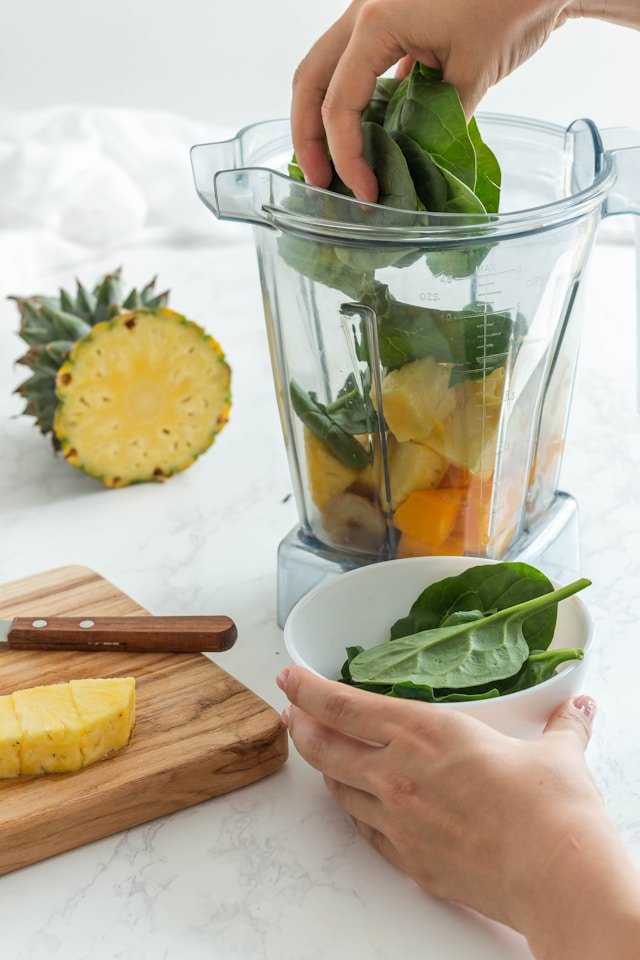
Start with 1 cup fresh spinach, 1/2 cup frozen mango, 1/2 cup pineapple, 1/2 avocado, 1 scoop collagen (≈10 g), 1 cup coconut water and 1 tbsp lime juice. Blend until smooth for a ~14 oz (400 ml) serving. You’ll get vitamin C from pineapple and lime to support collagen synthesis and a creamy texture from avocado.
Try adding 1/2 cup Greek yogurt (adds ~8–12 g protein) post-workout, or swap spinach for kale if you want more iron. If you prefer a thicker smoothie, use frozen fruit or ice; for thinner, add extra coconut water. Store leftovers in an airtight jar in the fridge up to 24 hours and follow your collagen product’s recommended dose.
Tips for Incorporating Collagen into Your Daily Routine
You can make collagen a habit by pre-portioning servings into single-use packets or jars and keeping them next to your blender; many clinical trials use 2.5–15 g daily, so start at 5–10 g and adjust. Try unflavored hydrolyzed collagen—it dissolves in hot or cold liquids and rarely changes taste—so you can slip it into breakfasts, post-workout shakes, or evening drinks without fuss.
- Blend 10 g collagen with 1 cup berries (≈80–100 mg vitamin C) and a banana for a skin-supporting smoothie.
- Mix 5–10 g into Greek yogurt or oats for a protein boost that fits into busy mornings.
- The easiest habit is to prep weekly smoothie packs with measured collagen so you don’t skip days.
Timing and Dosage
Aim for 5–15 g of collagen per day; 10 g is a practical target used by many studies. If you’re focused on exercise recovery, take 5–15 g with 50–100 mg vitamin C about 30–60 minutes before resistance training to support collagen synthesis. Otherwise split doses (e.g., 5 g morning, 5 g evening) to keep amino acids available throughout the day and match your meal schedule.
Pairing with Other Nutrients
Pair collagen with vitamin C, zinc, and copper to support synthesis—add citrus, strawberries, or bell pepper to hit 50–100 mg vitamin C per serving. Include a source of healthy fats like 1 tbsp flax or chia for overall nutrient balance, and consider combining with a complete protein (20–25 g whey or dairy) on workout days to round out imperative amino acids.
For practical combos, try 10 g collagen + 1 cup strawberries (≈90 mg vitamin C) + 1 tbsp chia (≈1.6 g ALA) and a handful of spinach for extra minerals; another option is 10 g collagen with a scoop (20 g) of whey post-workout to boost overall protein quality while vitamin C from an orange or a squeeze of lemon supports collagen formation.
To Wrap Up
Ultimately, adding collagen to your daily smoothies can support your skin, joints, and gut by supplying amino acids that help tissue repair, boosting hydration and promoting a feeling of fullness; with easy mixing and neutral flavor, you can enjoy simple, tasty nutrition that fits your routine and helps maintain your overall wellness.