

8 Things That Damage Your Skin (and How to Fix Them)
We all dream of having radiant, healthy skin. It’s often seen as a reflection of our overall well-being, and many of us invest time and money into skincare routines to keep it looking its best. But despite our best efforts with cleansers, serums, and moisturizers, we might be unknowingly doing things every day that sabotage our skin’s health.
Understanding what harms our skin is the first step toward protecting it. From environmental factors to lifestyle choices, numerous culprits can lead to issues like premature aging, dryness, acne, and inflammation. This guide will walk you through the most common things that damage your skin and offer simple, empowering ways to restore its natural glow. Ready to give your skin the love it deserves? Let’s get started.
Sun Exposure
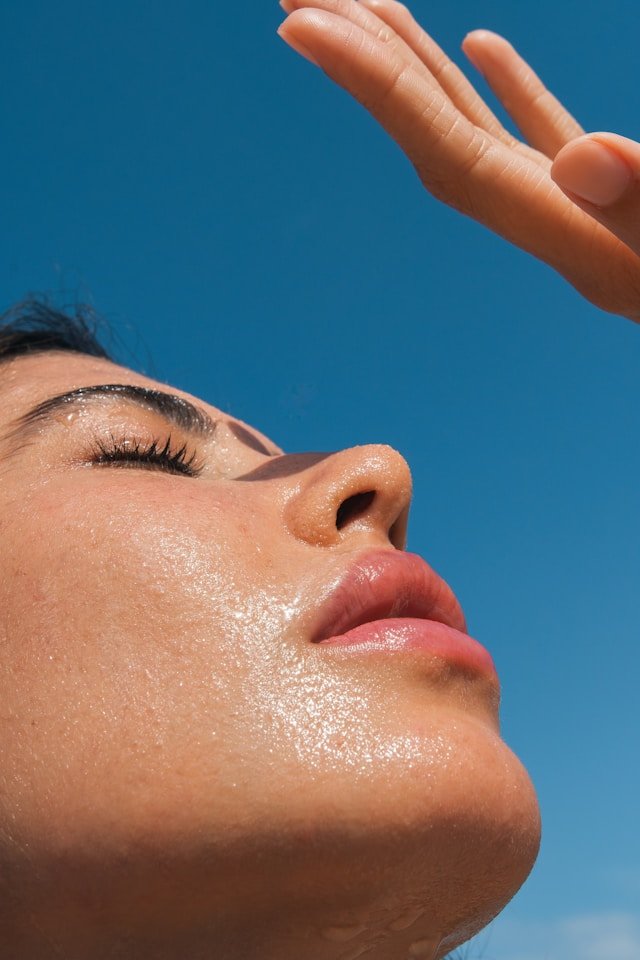
We love a sunny day, but our skin doesn’t always feel the same way. Unprotected sun exposure is one of the biggest factors in skin damage. The sun’s ultraviolet (UV) rays penetrate deep into the skin, breaking down collagen and elastin—the proteins that keep our skin firm and youthful.
This leads to premature aging, which can show up as fine lines, wrinkles, and sunspots. Beyond cosmetic concerns, excessive sun exposure can cause painful sunburns and significantly increases the risk of developing skin cancer.
How to fix it: Make sunscreen your best friend! Choose a broad-spectrum sunscreen with an SPF of 30 or higher and apply it generously every single day, even when it’s cloudy. Reapply every two hours, or more often if you’re swimming or sweating. Wearing protective clothing, like wide-brimmed hats and long sleeves, also provides an excellent defense against harmful UV rays.
Poor Diet
You’ve heard the saying, “You are what you eat,” and it’s especially true for your skin. A diet high in processed foods, sugar, and unhealthy fats can trigger inflammation throughout your body, which often shows up on your skin as acne, redness, and puffiness.
On the other hand, a diet lacking essential nutrients deprives your skin of the building blocks it needs to repair itself and stay healthy. Without enough vitamins, antioxidants, and healthy fats, your skin can become dry, dull, and more prone to damage.
How to fix it: Nourish your skin from the inside out by eating a balanced diet rich in fruits, vegetables, lean proteins, and healthy fats. Foods high in antioxidants, like berries, leafy greens, and nuts, help fight off damage from free radicals. Omega-3 fatty acids, found in fish like salmon, are fantastic for reducing inflammation and keeping your skin hydrated.

Lack of Sleep
They don’t call it “beauty sleep” for nothing. While you’re sleeping, your body goes into repair mode, and that includes your skin. During sleep, your skin’s blood flow increases, and it rebuilds its collagen and repairs damage from UV exposure.
When you don’t get enough quality sleep, this crucial repair process is cut short. The result? Dark circles under your eyes, a dull complexion, and more noticeable fine lines. Chronic sleep deprivation can also increase your levels of the stress hormone cortisol, which can lead to inflammation and trigger acne breakouts.
How to fix it: Aim for 7-9 hours of quality sleep each night. Create a relaxing bedtime routine to help you wind down, like taking a warm bath, reading a book, or practicing gentle stretching. Try to go to bed and wake up around the same time every day to regulate your body’s internal clock.
Smoking
If you’re looking for a powerful reason to quit smoking, look no further than your skin. Smoking accelerates the aging process in a major way. The chemicals in cigarette smoke damage collagen and elastin, leading to sagging skin and premature wrinkles, particularly around the mouth and eyes.
Smoking also constricts your blood vessels, which reduces the amount of oxygen and essential nutrients that reach your skin. This can leave your complexion looking dull, dry, and uneven in tone.
How to fix it: The best thing you can do for your skin—and your overall health—is to quit smoking. It’s a challenging journey, but there are many resources available to support you, from nicotine replacement therapy to counseling. Your skin will thank you for it.
Dehydration
Healthy, glowing skin is well-hydrated skin. When you don’t drink enough water, your skin can become dry, flaky, and tight. Dehydration can also make fine lines and wrinkles appear more prominent.
Furthermore, a lack of water can compromise your skin’s natural barrier, making it more susceptible to environmental damage and irritation. Conditions like eczema and psoriasis can also be made worse by dehydration.
How to fix it: Make a habit of drinking plenty of water throughout the day. The general recommendation is about eight glasses, but your individual needs may vary depending on your activity level and climate. Carrying a reusable water bottle can be a great reminder to stay hydrated. You can also eat water-rich foods like cucumber, watermelon, and oranges to boost your intake.
Harsh Skincare Products
In our quest for perfect skin, it’s easy to go overboard with products. Using harsh soaps, abrasive exfoliants, and products with high concentrations of alcohol can strip your skin of its natural oils. These oils form a protective barrier that keeps moisture in and irritants out.
When this barrier is compromised, your skin can become irritated, red, and dry. For some, it can even trigger an overproduction of oil as the skin tries to compensate, leading to clogged pores and acne.
How to fix it: Be gentle with your skin. Choose mild, pH-balanced cleansers and avoid over-exfoliating (two to three times a week is usually enough). Read ingredient lists and look for hydrating and soothing ingredients like hyaluronic acid, glycerin, and ceramides. If you’re unsure which products are right for you, consulting a dermatologist can be incredibly helpful.

Stress
Ever notice a new pimple pop up right before a big event? That’s stress at work. When you’re stressed, your body produces more cortisol, which can increase oil production and lead to acne breakouts.
Stress can also worsen inflammatory skin conditions like eczema, rosacea, and psoriasis. It can disrupt your skin’s protective barrier, making it more sensitive and reactive to external triggers.
How to fix it: Finding healthy ways to manage stress is crucial for your skin’s health. Incorporate stress-reducing activities into your daily routine, such as exercise, meditation, yoga, or spending time in nature. Even a few minutes of deep breathing can make a difference. Prioritizing self-care isn’t selfish—it’s essential for your well-being.
Pollution
Our skin is our first line of defense against the outside world, and that includes environmental pollutants. Tiny particles from traffic exhaust, industrial smoke, and other sources can settle on your skin, clog your pores, and cause inflammation.
This exposure to pollution can trigger oxidative stress, which accelerates skin aging and can lead to dark spots and a dull complexion. It can also weaken the skin’s barrier, leaving it more vulnerable to damage.
How to fix it: A thorough cleansing routine is your best defense against pollution. Make sure to wash your face every evening to remove any pollutants that have accumulated during the day. Using products with antioxidants, like vitamin C serums, can also help neutralize free radicals and protect your skin from environmental damage.
Take Control of Your Skin’s Health
Your skin is a reflection of your daily habits and environment, but you have the power to protect and nourish it. By being mindful of these common damaging factors—from sun exposure to stress—and making small, positive changes, you can help your skin stay healthy, vibrant, and resilient.
Remember to be patient and kind to yourself and your skin. Building healthy habits takes time, but the reward is a complexion that not only looks good but feels great, too.